
How well does your church welcome and retain working-class or poor people? If you have tried, you know that it takes more than compassion and good intentions.
In this series about accessibility, I’ll offer suggestions related to transportation, student ministries, and food for crossing that socioeconomic border effectively. The topic of this first post is transportation.
__________
For four years, my family and I worshipped each week at a church of primarily homeless and materially-poor people near Washington, DC. I served as assistant pastor, and because I am visually impaired, I understood well the need of many in the congregation to be creative and resourceful in order to get around.
Even in that urban and densely-populated metropolitan region, people who couldn’t drive themselves–senior citizens, international students, and even undergrads without cars–struggled to piece together transportation options on Sunday mornings. Often they didn’t go to church because they didn’t want to ask someone for a ride again.
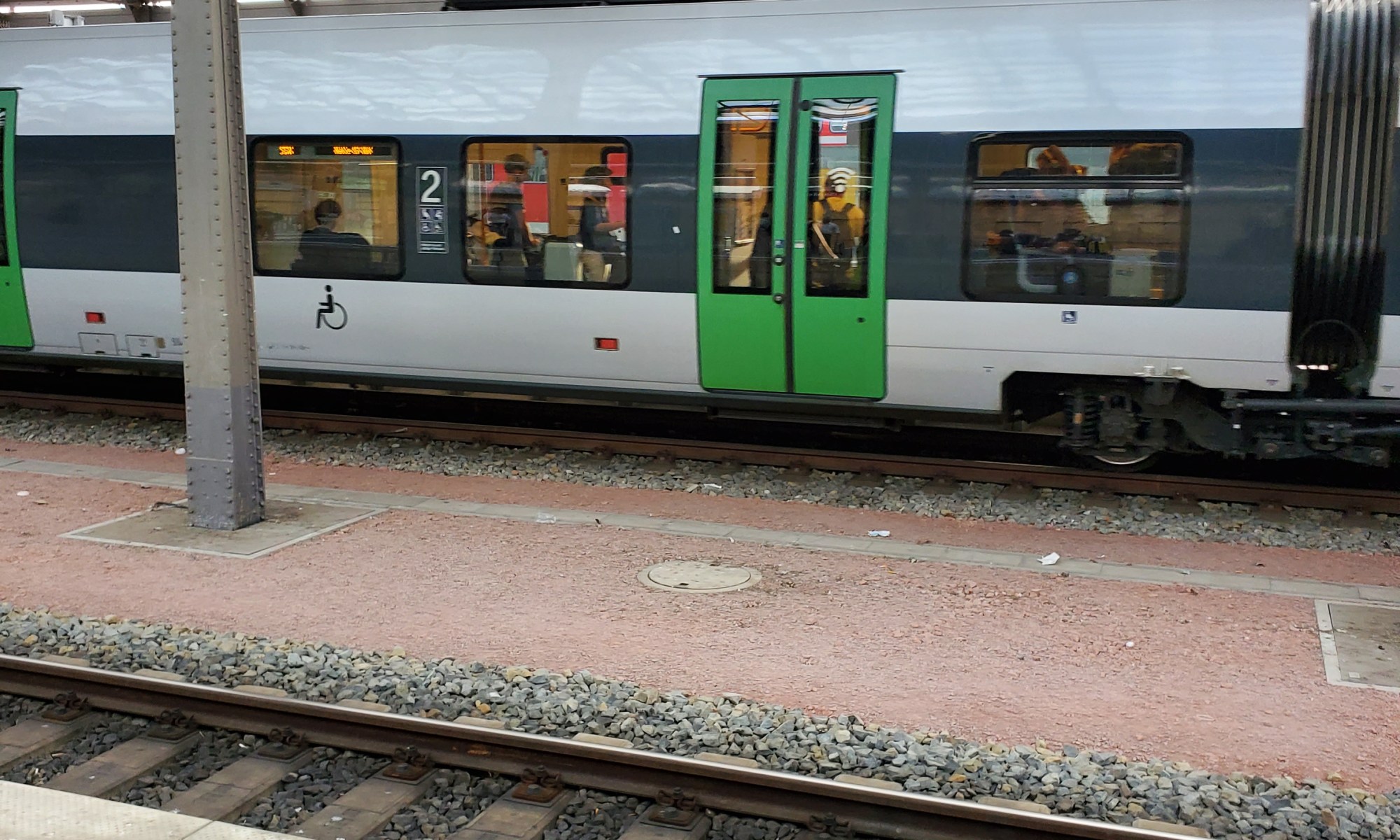
Imagine yourself in their shoes for a moment. If you didn’t have a vehicle or a driver’s license, how would you get to church? Would you call friends and family? What if they didn’t have transportation, either? What if you felt you had already asked for help too many times, Uber was not available or was financially out of reach, or you were new in town without local connections?
Finding a ride is still a real dilemma for people today, and it’s much worse in distant suburbs and rural places. I know from my own experience that it keeps people out of church.
Has your church ever considered helping with transportation challenges? Consider two straightforward supports.
1. Offer to provide rides.
I had a conversation with a children’s director not long ago who was gushing about her church’s high-quality Wednesday night programming.
“Unfortunately,” she lamented, “we don’t have a high turnout. So many of our families are immigrants who can’t bring their kids because they work late shifts or don’t have a car.”
“Could someone go pick them up?” I asked.
“Uh, no . . . ,” she replied, squinting as if the answer were obvious. “The kids are welcome to attend, but it’s the parents’ responsibility to get them here.”
Tough (eternal) luck for kids without options, I guess.
“The church bus is just a relic of the 60s,” she laughed, “and giving rides is too much liability.” I couldn’t help but think that the kids stuck at home and the parents who care about their spiritual development might disagree–and that we usually find a way to do the things that we believe are important. Aren’t low-income families and immigrant kids important?
Seniors reminisce about a fruitful era of picking up neighborhood children and bringing them by the van-load to Sunday School, where some entered life-long relationships with Jesus. Is that still important?
Yes, times have changed, but people haven’t stopped needing rides. Maybe churches are just unintentionally focusing on other people–those with self-sufficiency, able bodies, or middle-class lifestyles. Often, they simply default to a focus on people with backgrounds and lifestyles similar to their own.
Our small church sent vans out to shopping centers, apartment complexes, and homeless shelters to extend a welcome to church every Sunday morning. If we hadn’t, most of our folks would never have made it to church. Some might never have heard the gospel. Others would have missed the vital lifeline to Christian community for meeting the challenges of life. Instead of shrinking back from the daunting logistics of providing transportation, we leaned in with all creativity and force because we were absolutely certain that encountering Jesus was that important.
It’s pretty obvious once you think about it. You have a message, and people need rides. Are you willing?
2. List specific public transportation options on your church website.
This very simple change can make a huge difference in helping people get to church, and you probably already have driving directions on your website.
If you’re a middle-class suburbanite or live in a less urban area, you likely don’t think of public transportation as requiring a mention on your website. After all, you might wonder if people even use it, since you don’t personally know anyone who does. You can be sure that if it exists in your area, there are people who depend on it. If those people are welcome at your church (and I assume they are), then they will appreciate directions.
Although you may have used public transit once or twice for an adventure into the city or to visit attractions on vacation, be aware that navigating the system for everyday needs is a bit different.
Transit agencies usually provide trip-planning tools on their mobile apps and websites to help people get where they need to go, and most regular transit users already know about them. However, these features are sometimes incomplete. Apps may not recognize all places, and stops may have names reflective of lesser-known side streets rather than obvious thoroughfares.
Before you post the directions on your website, call your local transit agency for guidance about which specific stops or routes you should mention.
Some places may not have a noticeable stop, or the station may be located at a more obvious landmark, so your directions should include both the official name of the stop (which the driver may call out or identify for a passenger) and the more noticeable landmark. For example, “Located 0.4 miles east of the Hunter Crossing bus stop in front of Walmart Supercenter on NovaTransit’s Red line.”
Put your own church to the test. How easy is it to find your location on a mass-transit trip-planning app? Why not make it even easier by keeping updated info on your website for people who don’t drive, just as you would for people who do?
Most churches genuinely welcome working-class and poor families (or others who for various reasons don’t drive). Most also truly believe that an encounter with Jesus can make people new. If that’s your church, then help people make the trip. For many, getting there is half the battle.
An earlier version of this post was first published on the Leadership Network (ChurchCentral) blog in 2016.

